
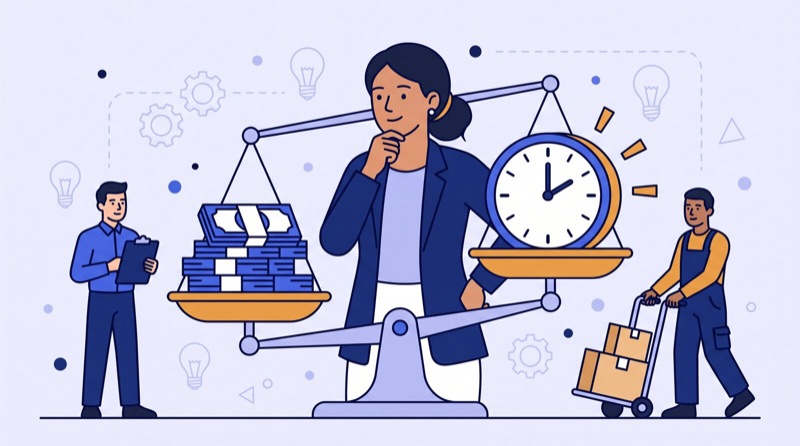
 Compliance
 Exempt vs non-exempt employees: what's the difference?
Exempt means no overtime. Non-exempt means overtime is owed. Getting an employee in the wrong bucket is a back-pay claim waiting to happen. Here's how the line is really drawn.
Read the lesson →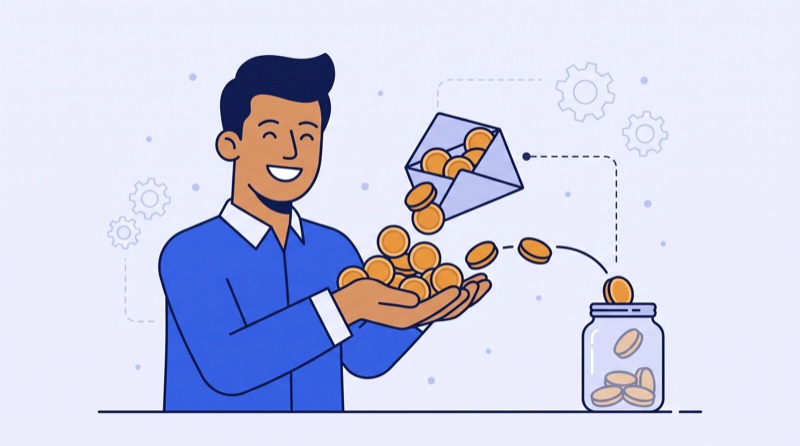 Payroll basics
 How are bonuses taxed? What employers withhold and why
That 22% taken out of a bonus isn't the tax on it. It's withholding. Here's how bonus taxes actually work so you can run one right and explain it to your team.
Read the lesson →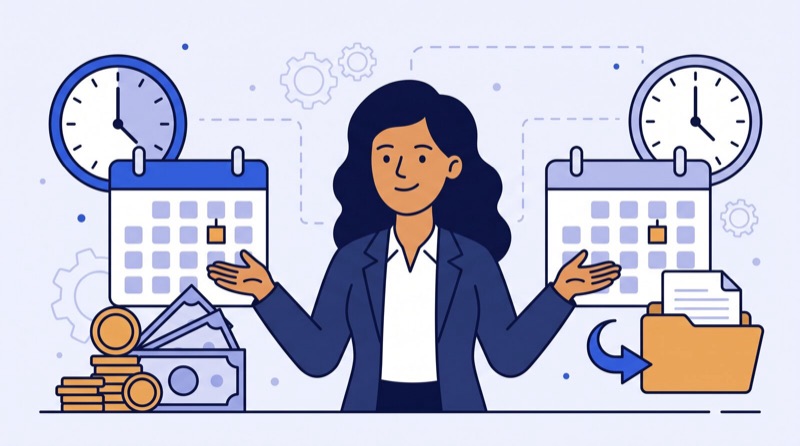 Compliance
 When are payroll taxes due? Deposit schedules vs filing deadlines
Depositing payroll taxes and filing payroll tax returns are two different deadlines, and mixing them up is how good businesses end up late. Here's each clock, clearly.
Read the lesson →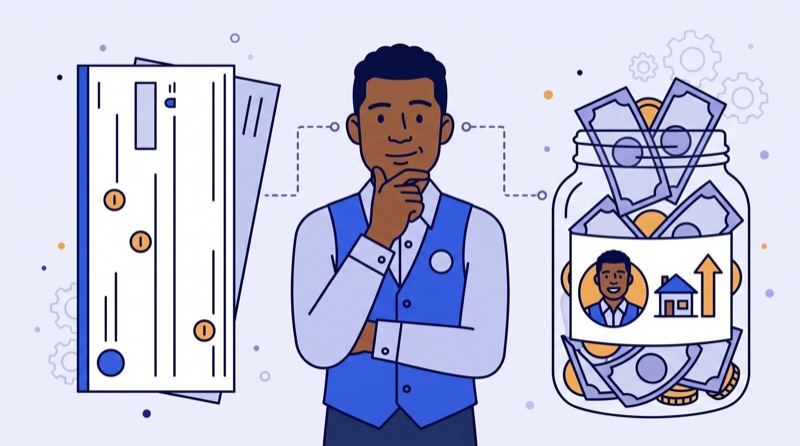 Getting started
 Should you put yourself on payroll? How owners actually pay themselves
Owner's draw or a real paycheck? The answer isn't preference, it's your business's tax structure. Here's which one applies to you and why it matters.
Read the lesson →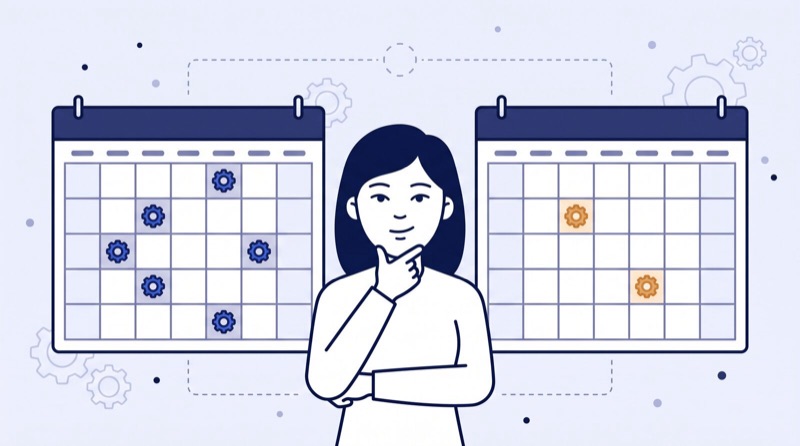 Payroll basics
 Biweekly vs semimonthly payroll: which should you choose?
Both pay employees twice a month, roughly. The difference is 26 paychecks versus 24, and it quietly affects your overtime math, your cash flow, and your sanity.
Read the lesson →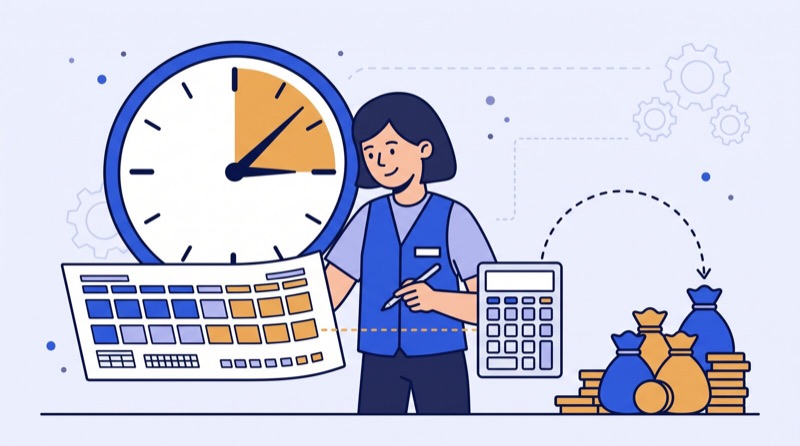 Compliance
 How to calculate overtime pay (without getting it wrong)
Overtime is time-and-a-half over 40 hours in a week. Simple until a bonus, a second pay rate, or a salaried employee shows up. Here's how to get it right.
Read the lesson →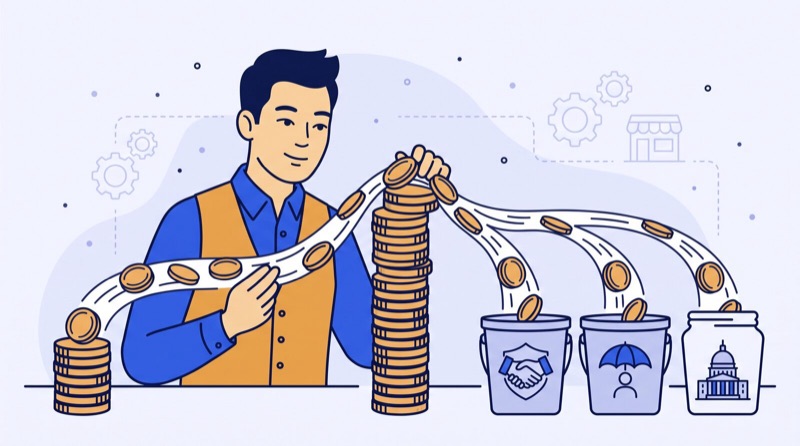 Payroll basics
 What payroll taxes does an employer actually pay?
An employee costs more than their wage, and the gap is employer payroll taxes. Here's every tax you owe on top of what you pay your team, in plain numbers.
Read the lesson →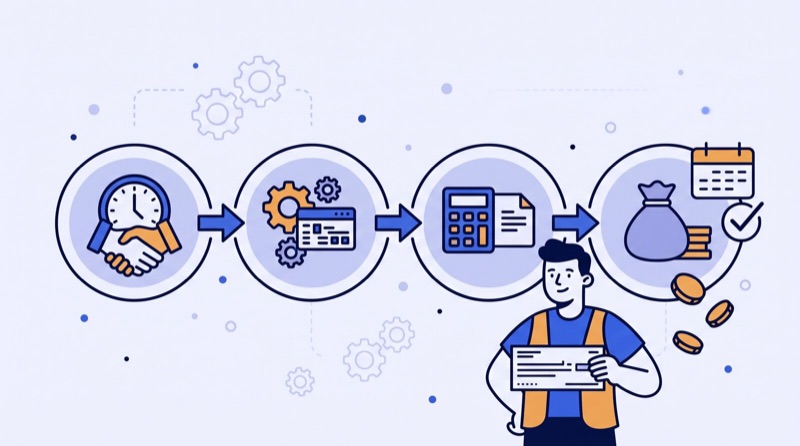 Getting started
 How to run payroll for a small business, step by step
Running payroll is the same six steps every single time. Learn the order once and the whole thing stops feeling like a monthly emergency.
Read the lesson →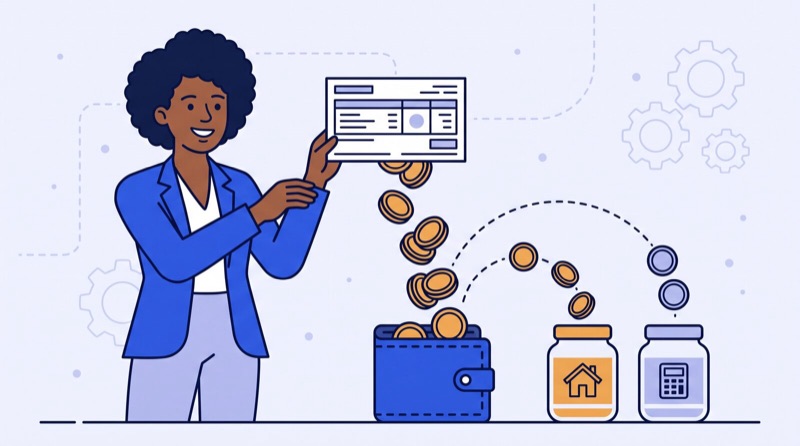 Payroll basics
 Gross pay to net pay: where does the money actually go?
An employee earns $1,000 and takes home $760. The other $240 didn't vanish. Here's every stop the money makes between gross pay and the number on the check.
Read the lesson →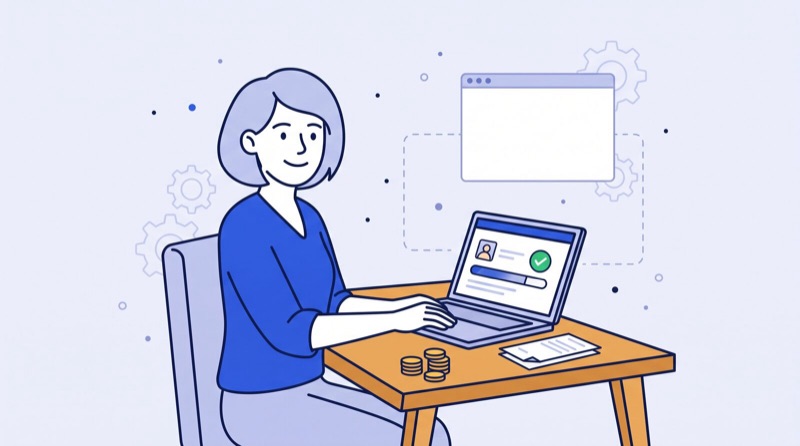 Getting started
 Can I really run payroll myself?
For a lot of small businesses, yes. The tools are good and the process is learnable. The honest question isn't whether you can, it's whether you know the parts the software won't catch for you.
Read the lesson →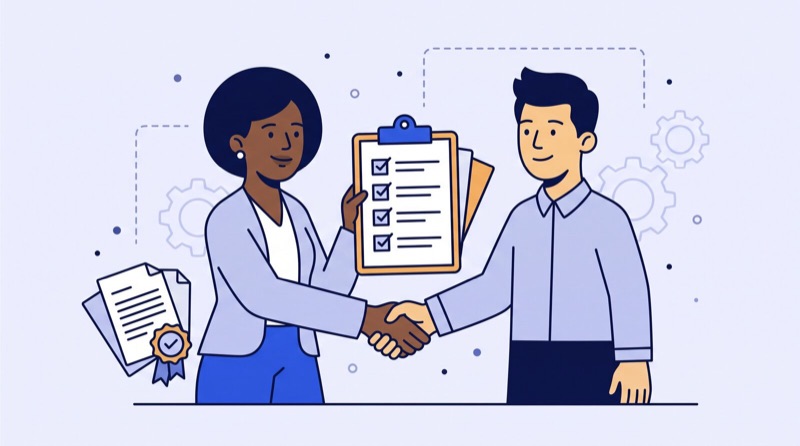 Getting started
 Hiring your first employee: the payroll setup checklist
Before your first employee's first paycheck, a short list of registrations and forms has to be in place. Skip one and you find out at tax time. Here's the full setup, in order.
Read the lesson → Hiring
 W-2 or 1099? How to classify a worker without guessing
Whether someone is an employee or a contractor isn't a preference. It's a legal test, and getting it wrong can mean back taxes and penalties years after the fact.
Read the lesson →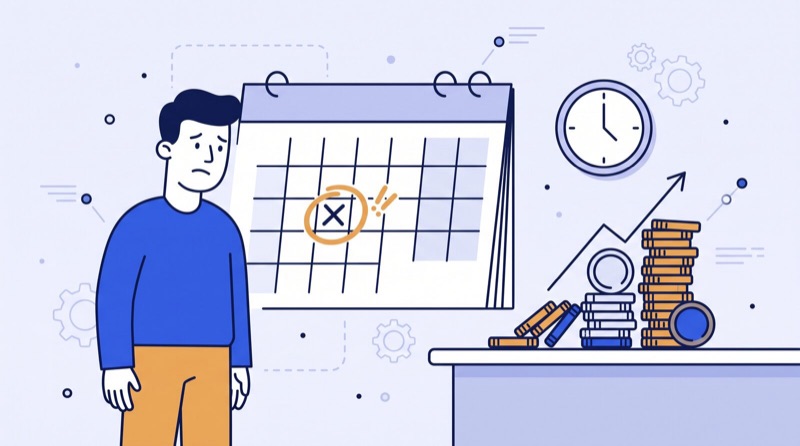 Compliance
 What happens if payroll taxes are paid late?
Federal and state deadlines don't wait for a busy week. Here's what actually happens when a deposit is late, what the penalties cost, and what to do if you're already behind.
Read the lesson →No lessons match that yet. Try a different topic or search, or ask Brian directly.